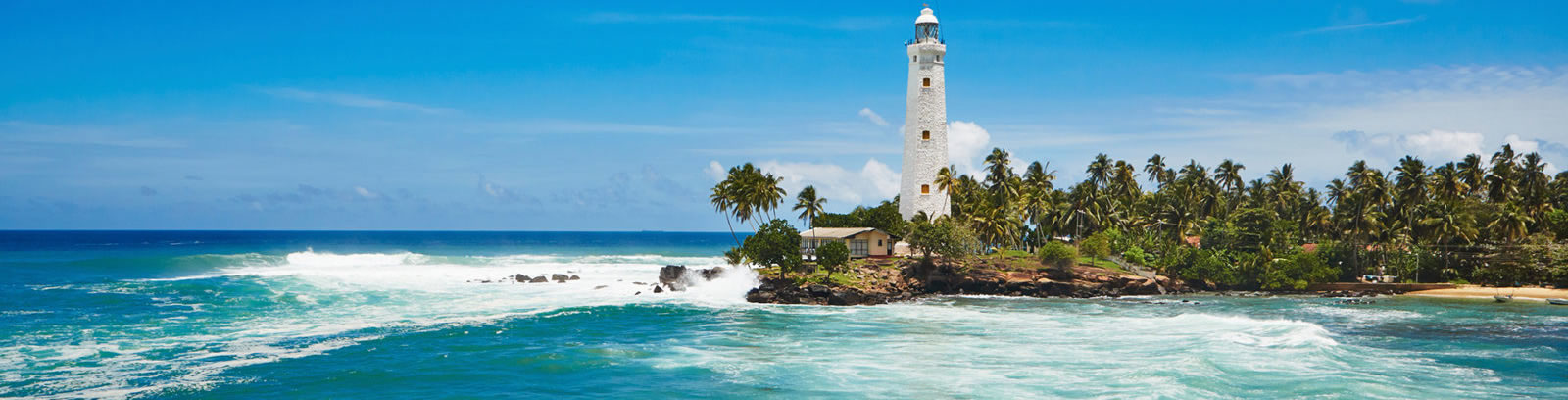
Anuradhapura
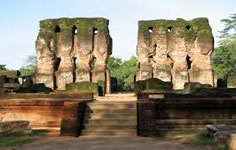
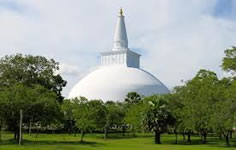 Anuradhapura is one of the ancient capitals of Sri Lanka, famous for its well-preserved ruins of ancient Lankan civilization. From the 4th century BC, it was the capital of Sri Lanka until the beginning of the 11th century AD. During this period it remained one of the most stable and durable centers of political power and urban life in South Asia. The ancient city, considered sacred to the Buddhist world, is today surrounded by monasteries covering an area of over sixteen square miles (40 km²). Anuradhapura is also significant in Hindu legend as the fabled capital of the Asura King Ravana in the Ramayana.
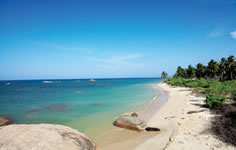
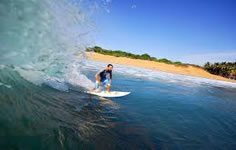 Arugam Bay is a bay situated on the Indian Ocean in the dry zone of Sri Lanka’s southeast coast. The bay is located 320 km due east of Colombo. It is a popular surfing and tourist destination. Due to its popularity among low budget tourists, the area has managed a slow recovery. By private initiatives only. The main road through town has still not been repaved. Work is in progress to improve road access to the area. But in Arugam Bay itself, little has changed. As late as May, 2009 no help has been received from any official source or international organizations. An exception is uncoordinated support for fishing folk as well as many school rebuilding programs, resulting in a continuation to provide only separatist schools for each community.
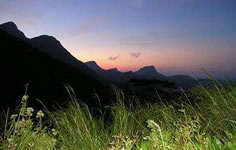
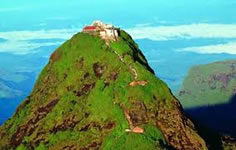 Adam’s Peak is a 2,243 metres (7,359 ft) tall conical mountain located in central Sri Lanka. It is well-known for the Sri Pada “sacred footprint”, a 1.8 m rock formation near the summit, in Buddhist tradition held to be the footprint of Buddha, in Hindu tradition that of Shiva and in Muslim tradition that of Adam.
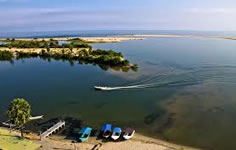 Batticaloa is a city in the Eastern province of Sri Lanka. It is the seat of the Eastern University of Sri Lanka. It is on the east coast, 69 miles south by south east of Trincomalee, and is situated on an island.
 A Sri Lankan coastal city famous for golden beaches, Bentota is situated on the southern coastal tip of the Galle District of the Southern Province . The town is a popular tourist attraction. It is especially famous among the foreign tourists. The name comes from a mythical story which dates back to kings time saying a demon called Bem ruled this river ( tota = river bank. Bentota hosts a handful of world proclaimed hotels. It is the hosting land for the famous Sri Lankan Jeweler Aida. Bentota also delivers an ancient art of healing called Ayurveda . Bentota is also famous for its production in Toddy. An alcoholic beverage made out of cocunut nectar. The city’s population is estimated to be between 25,000-50,000.
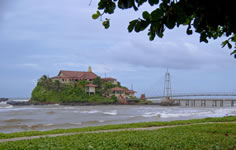
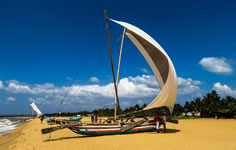
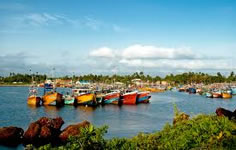 Beruwela, is a small resort town in the south western coastal belt of Sri Lanka. The name Beruwela is derived from the Sinhalese word Beruwela (the place where the sail is lowered). It marks the spot for the first Muslim settlement on the island, established by Arab traders around the 8th century AD. A large population of Sri Lankan Moors, many of them are gem merchants, still live in the town– particularly in the “China Fort”. Msjid-ul-Abrar , a landmark of Beruwela and Sri Lanka’s oldest mosque, was built by Arab traders on a rocky peninsula overlooking the town.
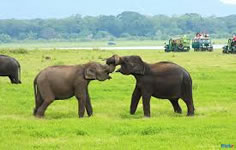
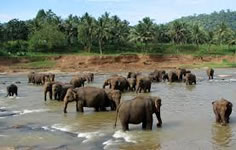
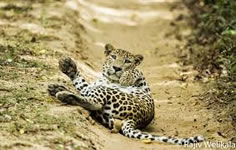
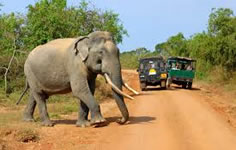
 Located about fifteen kilometers east of Hambantota Bundala National Park is one of Sri Lanka’s foremost destinations for birdwatchers, protecting an important area of coastal wetland famous for its abundant aquatic (and other) birdlife. The park is also home to significant populations of elephants, Marsh & estuarine crocodiles, turtles & other fauna, including the leopard. Stretching along the coast east of Hambantota, Bundala National Park is ideal for instant gratification: in a four hour jeep ride, we can see elephants, 8ft crocs, giant squirrels & flamingoes. Afternoon safaris in the dry season (December – May) provide visitors with the best chance of seeing the wildlife.
 The name “Colombo”, first introduced by the Portuguese in 1505, is believed to be derived from the classical Sinhalese name Kolon thota, meaning “port on the river Kelani”. It has also been suggested that the name may be derived from the Sinhalese name Kola-amba-thota which means “Harbour with leafy mango trees”. Due to its large harbour and its strategic position along the East-West sea trade routes, Colombo was known to ancient traders 2,000 years ago. However it was only made the capital of the island when Sri Lanka was ceded to the British Empire in 1815, and its status as capital was retained when the nation became independent in 1948. In 1978, when administrative functions were moved to Sri Jayawardenepura Kotte, Colombo was designated as the commercial capital of Sri Lanka.
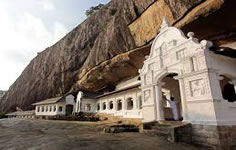 Major attractions of the city include the largest and best preserved cave temple complex of Sri Lanka, and the Rangiri Dambulla International Stadium, famous for being built in just 167 days. The city also boasts to have the largest rose quartz mountain range in South Asia, and the Iron wood forest, or Namal Uyana. Ibbankatuwa prehistoric burial site near Dhambulla cave temple complexes is the latest archaeological site of significant historical importance found in Dambulla, which is located within 3 kilometers of the cave temples providing evidence on presence of indigenous civilisations long before the arrival of Indian influence on the Island nation.